Dental Radiography and AERB Requirements
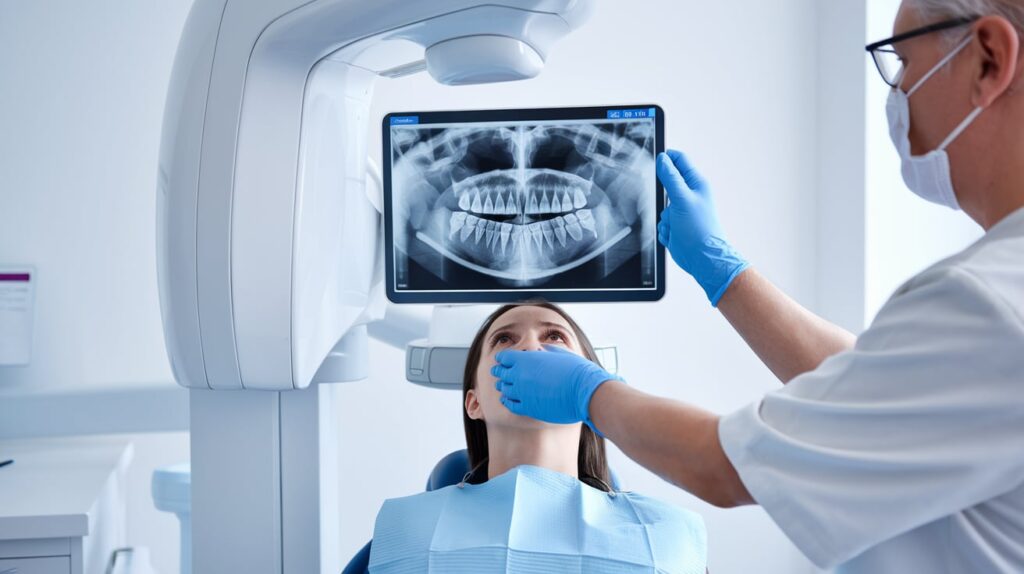
Did you know that improper use of dental X-ray machines can lead to unintended radiation exposure, putting both patients and professionals at risk? In India, the Atomic Energy Regulatory Board (AERB) plays a crucial role in ensuring the safe and controlled use of radiographic equipment, especially in the dental sector. Dental radiography is essential for diagnosing oral health issues, but without proper regulation, it can pose health hazards. That’s where the AERB steps in to enforce safety standards.
Introduction: Why This Matters
Did you know that even a single dental X-ray machine requires mandatory registration with the Atomic Energy Regulatory Board (AERB)? Whether you’re a seasoned dentist or just setting up your first practice, understanding and implementing these requirements isn’t just about legal compliance – it’s about ensuring the safety of your patients, staff, and yourself.
Quick Fact: Over 60% of dental clinics in urban India use some form of radiographic equipment, making radiation safety a crucial concern for the dental healthcare sector.
Understanding AERB: Your Safety Guardian
Think of AERB as the safety guardian of radiation-based medical practices in India. Just as a traffic signal system prevents chaos on roads, AERB regulations ensure safe and standardized use of radiation in healthcare.
Key Responsibilities of AERB:
- Licensing and registration of radiation facilities
- Setting safety standards and guidelines
- Monitoring compliance
- Training and certification of personnel
Setting Up Your Radiation-Safe Dental Practice
1. Infrastructure Requirements
Imagine building a fortress to protect against radiation – that’s essentially what your X-ray room needs to be. Here’s what you need:
Room Specifications:
- Minimum room size:
- Intraoral X-ray: 8 x 8 ft
- OPG/CBCT: 10 x 10 ft
- Wall thickness: 9-inch brick or equivalent
- Lead lining requirements: 0.2mm lead equivalent
💡 Pro Tip: Think of lead lining as your radiation umbrella – it needs to cover all areas where radiation might “rain” down.
2. Equipment and Safety Features
Essential Equipment Requirements:
- AERB-approved X-ray machines
- Quality assurance tools
- Radiation protection gear
- Warning systems and signage
Safety Checklist: ✅ Lead aprons (0.25mm lead equivalent) ✅ Thyroid collars ✅ TLD badges for staff ✅ Warning lights ✅ Lead-lined doors and windows
3. Personnel Requirements and Training
Your team needs to be as prepared as a flight crew before takeoff. Here’s what’s required:
Mandatory Personnel:
- Qualified dentist (BDS minimum)
- Certified radiographer
- Radiological Safety Officer (RSO)
Training Requirements:
- Initial certification
- Regular safety updates
- Emergency response training
- Quality assurance training
Documentation: Your Safety Net
Think of documentation as your legal safety net. Here’s what you need to maintain:
Essential Records:
- Equipment registration certificates
- Staff qualifications and training records
- Patient exposure records
- Quality assurance test results
- TLD badge readings
- Equipment maintenance logs
🔍 Important: Keep all records for a minimum of 5 years.
Real-World Implementation: Success Stories
Case Study: Dr. Mehta’s Dental Clinic, Mumbai
Dr. Mehta transformed his traditional clinic into an AERB-compliant facility within three months. Key success factors:
- Systematic approach to implementation
- Staff involvement in safety protocols
- Regular internal audits
- Investment in quality equipment
Common Challenges and Solutions
Challenge 1: Cost of Compliance
Solution: Consider it an investment rather than expense. The cost of non-compliance is much higher.
Challenge 2: Space Constraints
Solution: Creative room design and layout optimization techniques.
Challenge 3: Staff Training
Solution: Regular in-house training sessions and online certification courses.
Quality Assurance: Your Path to Excellence
Regular QA Tests Include:
- Output measurements
- Image quality assessment
- Radiation leakage testing
- Calibration checks
⏰ Reminder: Schedule QA tests annually at minimum.
Emergency Preparedness
Remember: Hope for the best, prepare for the worst.
Emergency Protocol Essentials:
- Written procedures
- Emergency contact numbers
- First aid measures
- Reporting mechanisms
- Staff training
The Future of Dental Radiography
Stay ahead of the curve with these emerging trends:
- Digital radiography systems
- AI-assisted imaging
- Reduced radiation techniques
- Enhanced safety protocols
Conclusion: Your Action Plan
Implementing AERB requirements might seem daunting, but breaking it down into manageable steps makes it achievable:
- Assess your current setup
- Identify gaps in compliance
- Create an implementation timeline
- Train your team
- Regular monitoring and updates
🤔 Food for Thought: How can you make radiation safety a core part of your dental practice culture?
Interactive Section
Quick Self-Assessment:
- Is your X-ray room properly shielded?
- Are your staff wearing TLD badges?
- When was your last QA test?
- Are your records up to date?
Share your experiences and challenges in implementing AERB requirements. What worked for you? What didn’t?
Remember: Compliance with AERB requirements isn’t just about following rules – it’s about creating a safer environment for everyone in your dental practice.